
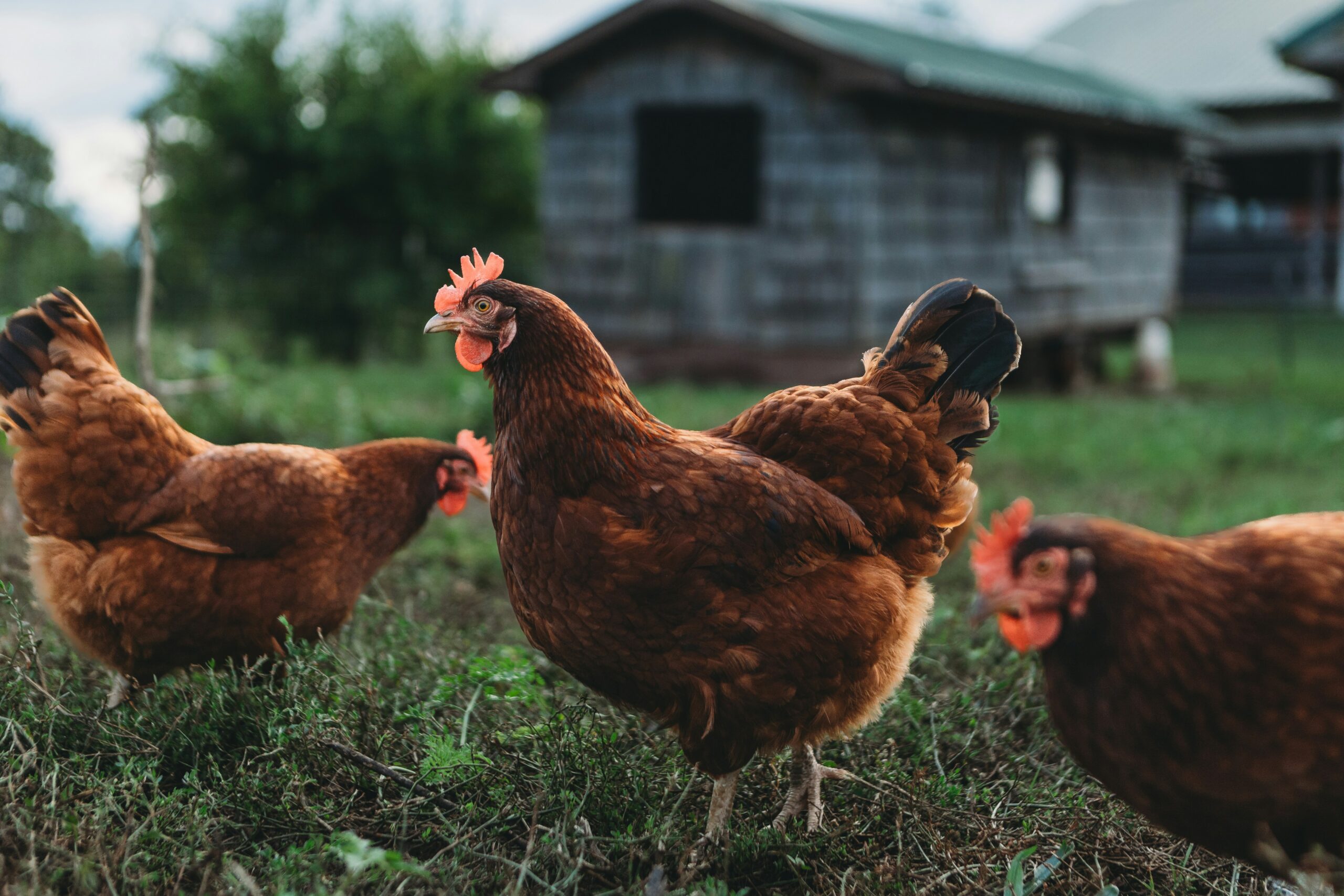
Bea makes her way down the back steps in Gerry’s old slippers, rag and bowl of warm water in hand. Among the lavender jacaranda petals step the three laying hens. The girls. Bea needs to check for signs of diarrhea. Wipe their chicken butts. Their Polly, home from college, fed them ham and leftover enchiladas. Bea hadn’t wanted another fight. But the liquid feces from the poor girls could draw a kind of parasite. Which Bea’d read online could make their way into the hens’ bodies. Actually consume them whole from the inside. It’s rare, but it could happen. Does happen. But the hens are fine, making their sweet chuckling noises and pecking the ground.
“You need to wean yourself from me,” Polly had pronounced last night, causing Bea to flee the TV room. This after Polly noting that the photos of her around the house were mostly from when she was ten and younger. ”Are you aware this is a sign of yearning for a time their kids were under their absolute control?”
Of all her friends’ daughters, Bea’s Polly had been the easy one, demonstrative and sweet. In bed, she’d fumed. Hell yes, she’d love to have sent Polly to her room, rather than being banished to her own. Gerry, half awake, drawled, “Girls and their mothers.”
All of this was natural. Polly was a kid; newly exposed to new ideas and readings. New people. Individuating. Still, Bea’s anxiety bubbled and flared, as if overtaken by lizard reflex. It had taken hours to doze off, ears pricked for sounds of Polly talking, Polly tapping at her phone, Polly harming herself, as Bea had read online that so many young women did.
This morning, Bea’s visual check reveals empty straw nests. Heritage breeds like these only lay a few eggs weekly. The woman who’d sold them to her had said that when the temps topped 100, a broody hen might sit in their poorly ventilated nestbox and never leave for water, which could end up making her overheat and die.
Bea upends the bowl into the big zinc tub. It’s 6 AM; the stillness in the air promises a blazing morning. Gerry will amble out, ask for coffee. The day will be interminable. Bea between editorial meetings, cleaning the counters and floorboards, cycling laundry, planning dinner. Watching for Polly; will she stay longer this time? Attuned to Polly and picking at Polly and digging for clues—to what? The endless doomscrolling makes it all worse. Bea knows she is pushing her daughter away, but helpless to act differently.
It will be another day where the house will gather the heat for hour upon hour upon broody hour. Hold heat in its rooms long after dark, hours after the yard has returned to freshness. Bea, remaining inside. Sweating. Ruminating. When all it would take for relief would be to step through her back door and stand silent in the cool air. Simply bear witness to the hens’ unassailability, the perfection of them.