
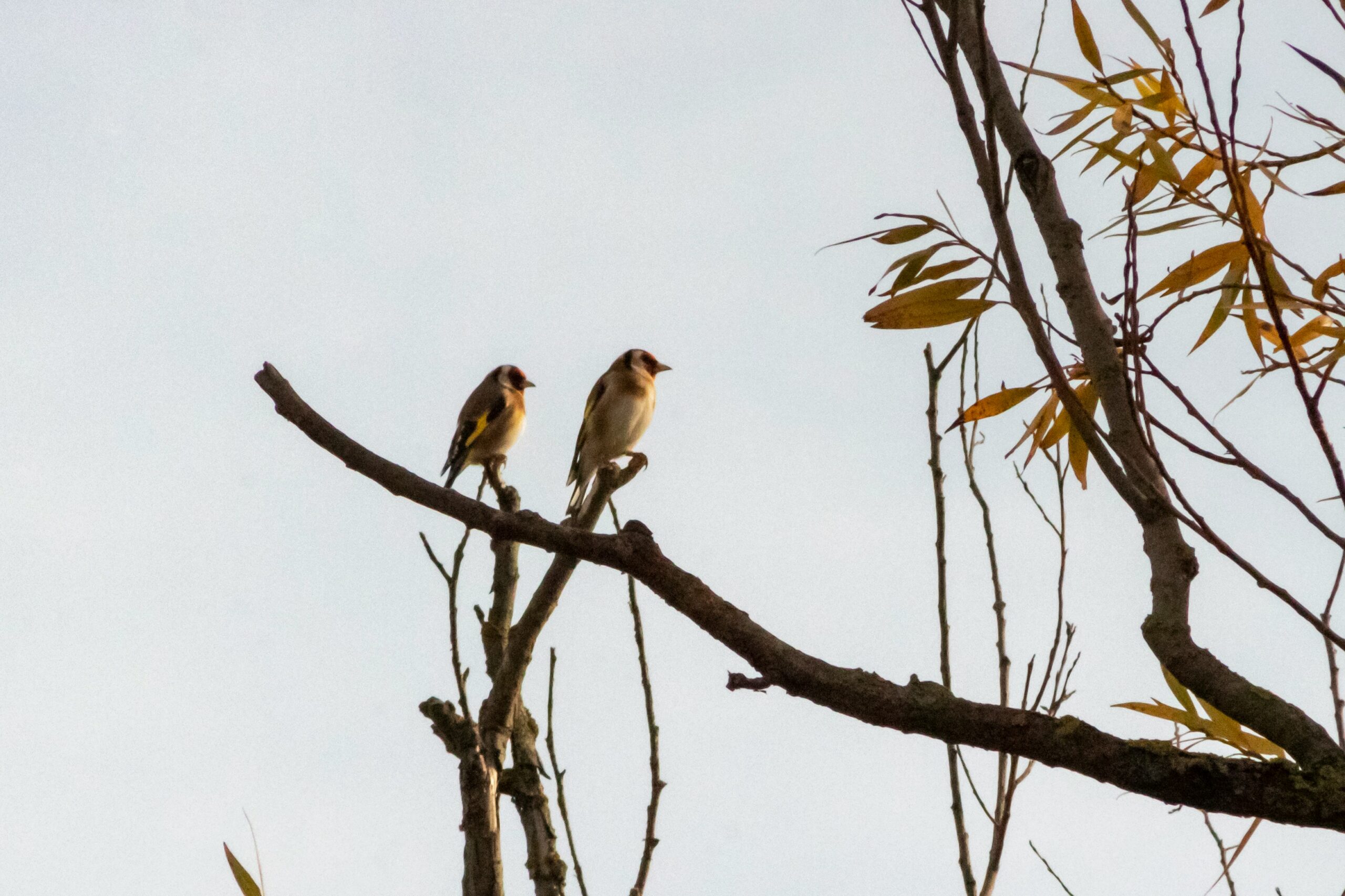
We first noticed an illustration missing, a golden finch gone from a 1956 field guide. Then another, then another. A quiet, methodical search revealed forty-two volumes, a total of 464 images missing. Many were rare, out of print, difficult to replace. Estimated cost: $6,780.
The pattern, once noticed, was unmistakable.
She used a small X-Acto knife, removing only waterfowl, shorebirds, gulls, and finches. Field guides and early twentieth-century reference books seemed to be her preference. Winter finches first, then gulls in early spring, each page traced with deliberate precision.
She returned the books to the shelves, altered. Slipped between their pages were delicate sketches on long-grain tracing paper: two mountain peaks rendered in soft pencil. A signature, perhaps. A mark of care.
We whispered and speculated. Who fixated on birds with such meticulous intent? We named her in fragments. The woman with frizzy hair and oversized blue glasses who wore bobby socks even in winter. The small, cheerful one who always seemed grateful, a little lonely. We had seen her in the reference room, not reading but studying, as if committing something to memory before it disappeared.
No tears, no gouges, no sign of haste.
She wanted only the birds.
We told ourselves she was preserving something. Rescuing them from brittle paper or hands that might not notice them. Perhaps she needed to hold them elsewhere.
One night, we find paper scraps in a study cage. A dark-haired woman is hunched over a stack of books. She works carefully with a copy of Bird Portraits in Color open before her. When we call security, she does not run.
In her worn leather purse are the cutouts: a killdeer, a piping plover. She stares at the floor, thumb pressed hard into the inside of her wrist, as if holding something in place. She does not look up as they escort her from the building.
We don’t ask what she intended to do with them. We don’t ask what was missing that made this necessary.
When we next pull American Fishes: A Popular Treatise from the shelf, we will find, on page 268, a tracing slipped between the pages: an oval, faint pencil lines suggesting gills. The curves echo the same careful hand, the same attention we once saw in finches and plovers. Not lifted this time, but studied. Practiced.
None of us will mention the missing birds.
We will reshelve the book, more gently than before, as if something inside is unfolding.